What’s your Clan Crest and Tartan?
Have you ever wondered if your family name has a tartan? it may do and not only that most clans have a clan crest symbol that marks their unity, name & history as a clan.
This blog covers finding out if you have a tartan, how to find it and how to see your clan crest. The post also covers all things you need to know about clans, tartan & everything scottish history.

So What Are Clans?
Clans are a key part of Scotland’s history, culture & identity as a country. Although romanticised in a way in literature, clans were real and often writing history with their interactions and relationships with one another.
Clan culture dates back to almost 3000 B.C, clans were groups of individuals who usually shared name, land, communities or political views. Due to the historic times, society during this period didn’t have a political and economical frame work, it was essentially a free for all the land.
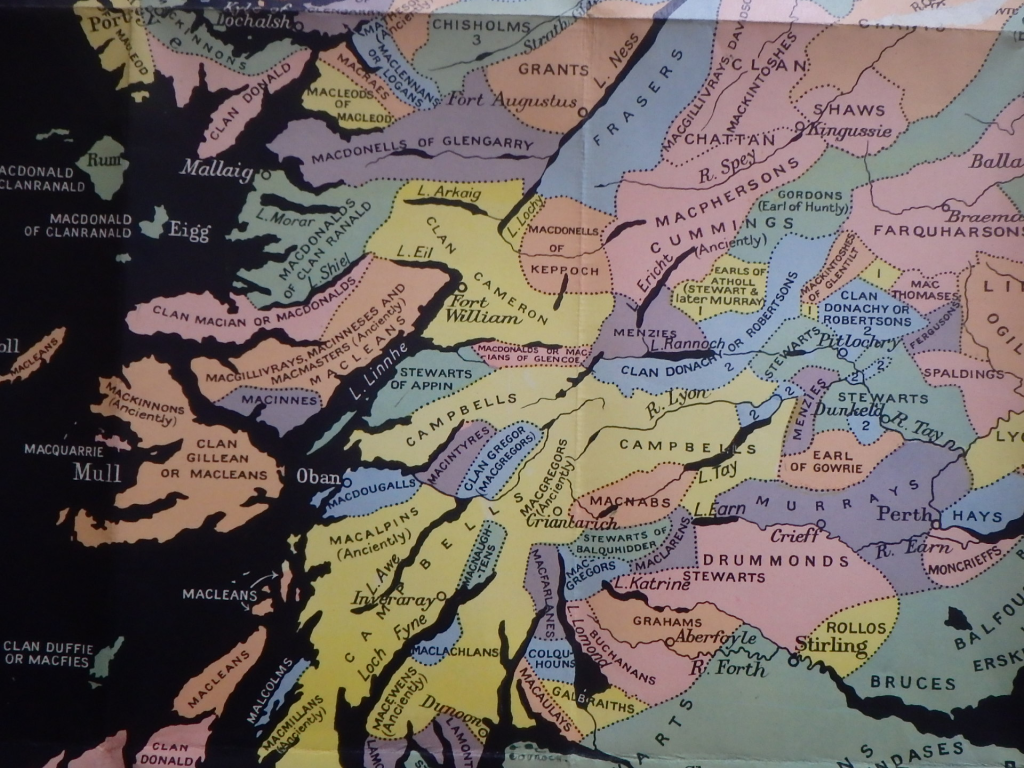
So people would collectively stay in groups for safety usually following a clan leader, usually the clan leader would be the eldest of the family or the one who primarily in charge.
People with different names could serve under one clan depending on relationships between them. Usually families with similar names and spelling various would stick together alongside neighbouring families whom they shared a community with.
Clans allowed groups to form alliance, protect land, create areas of community and also protect themselves, most clans were very proud and committed to their clan alliance / leader.
Are Clans Still Real?
They always were but society has shifted over the past few centuries into the civilised society we live in now. Clan history will always be permeant and despite clan culture fizzling out over the past few centuries, there is many clans that still unite and celebrate the rich history behind their clan.
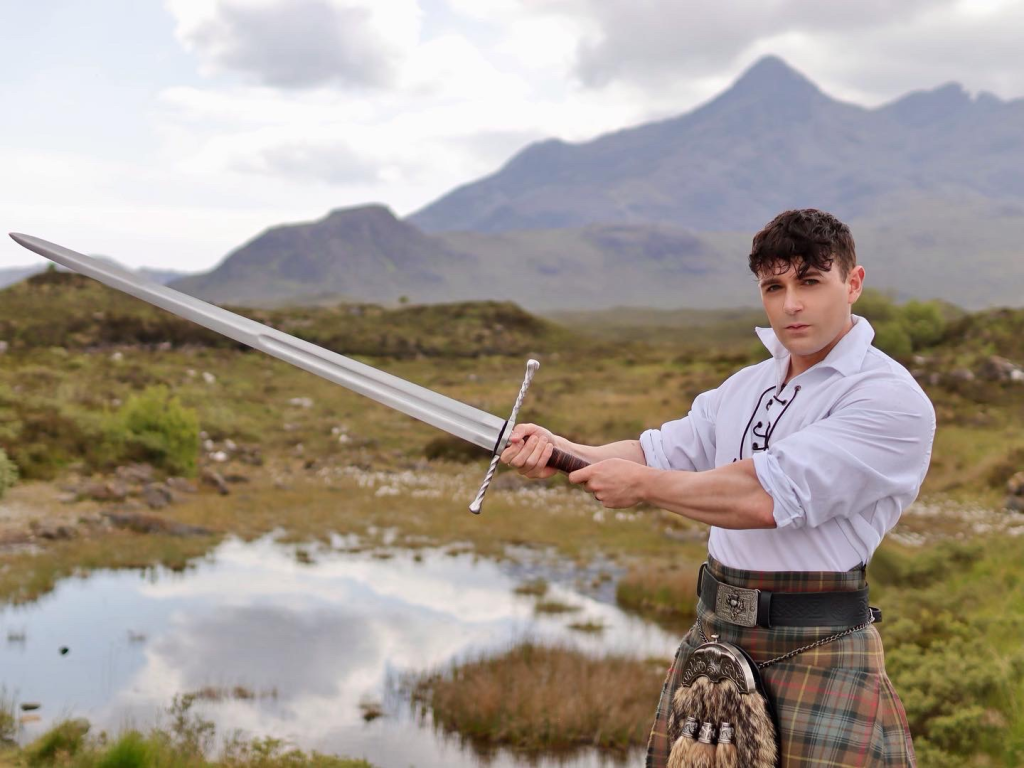
Clans nowadays are more like society groups, brining people of shared ancestry and heritage together.
Clan groups often like to celebrate scottish events like highland games, public events & more. Clan chiefs are still around again taking on a more casual leader role of the group showing pride in the clan & embracing scottish heritage and traditions.
Many people believe clans should make a more civilised redemption to keep them an ever-growing part of scottish culture.
Many clan groups are now educators and seek to share their deep historical background with others and connect with historians and other clan groups.
The reality is no one is running around fields chasing one another like it used to be, clans now focus on highlighting key aspects of history, maintaining strong family bonds and learn about their ancestry.
What is a Clan Crest?
The beautiful part about clans is they led to a whole future of tartans and clan crests. A clan crest was a graphic symbol used to represent the clan, almost like a calling card. The clan crest was seen as a visual representation and branding of the clans unity.
Many people will honour the clan crest by wearing badges or embroidery patches, you can get clan crest engraved items and accessories nowadays. Many people opt for when embracing a kilt outfit as a tribute to their ancestors.
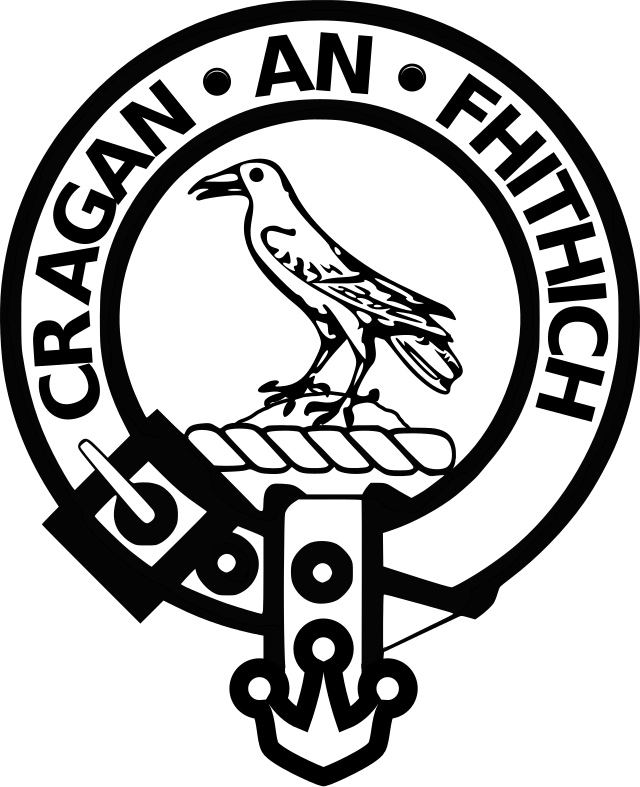

Clan crests usually feature an animal of some sorts as the main emblem, common designs clan crests can feature are things like weapons (swords, shields etc), plants (thistles etc) & mythical beasts like unicorns to represent power.
This is usually presented in a circular crest shape with a belt and buckle detail pleading alliance to the clan chief. Most clan crests feature some kind of Gaelic clan motto phrase on the crest too.
How do I Find My Tartan / Crest?
We have a helpful tool on our site that can help you find your family tartans & clan crest if you have. Head to Kiltmakers.com and over the tartan finder tab on the main menu. A drop down menu should appear, from here you can browse tartans by name & see our exclusive ranges. (See below)
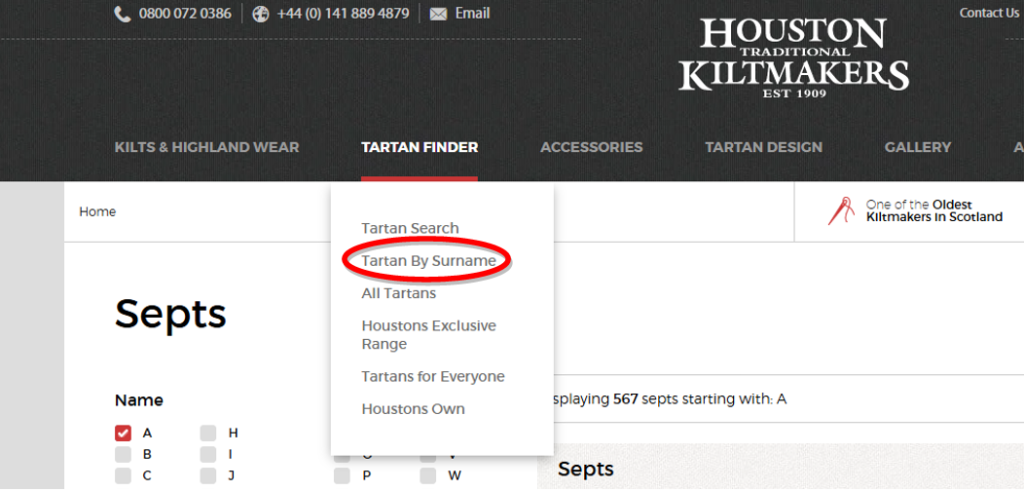
Find the “Tartan By Surname” option and click on it to browse tartans by name. Here you can search and browse tartans by names & spelling.
Upon finding / searching your name any available tartans under that name will appear and you can browse the ones we carry. For this example we can see there is over tartan 15 matches. By clicking the “History and clan crest” button you can find out more about your clan.

A pop up should appear detailing the history behind the clan along with the clan crest on the right hand side. On selected tartans a map appears with the locations that clan could be found.

My Clan Name Differs From My Real Name, Why?
Clans weren’t subject to just one family name. Clans were mostly named after the clan chief or a majority family name but most clans group multiple names together as they have shared land, community or pleaded alliance. This also means there was some duplicate clans i.e. two clans with the same name who own different land and have no affiliation or alliance.
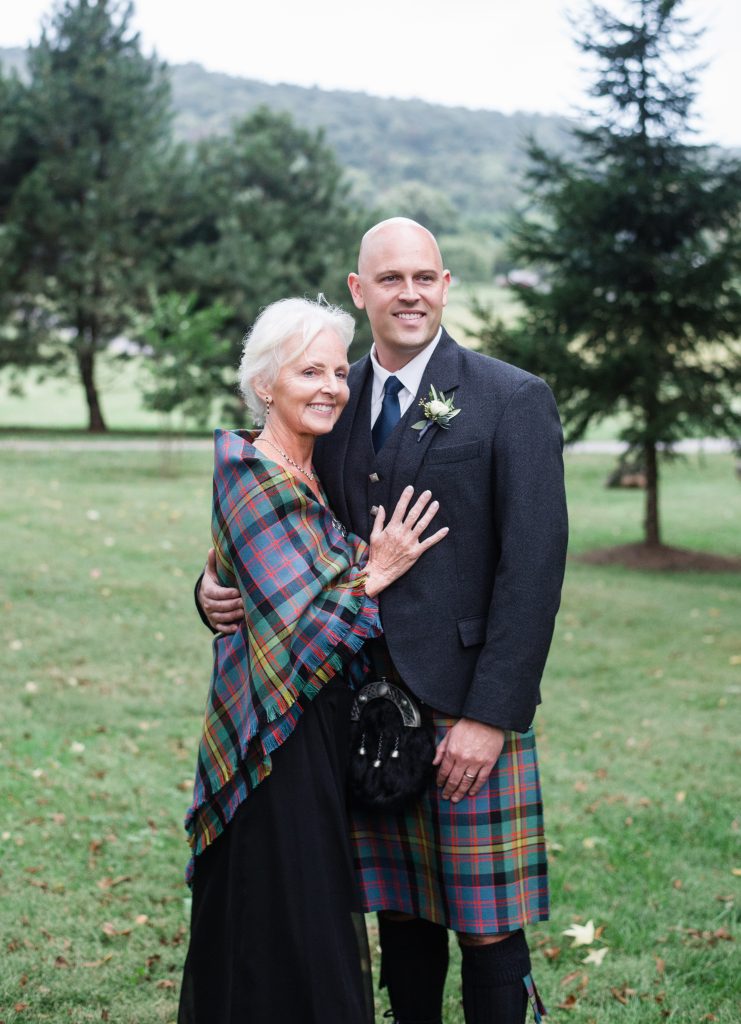
We see this in Macdonald clan, there is multiple clans with varying names or septs. Septs are smaller families within a clan, often variations of a family name are grouped together i.e. MacColl, McCallum, MacCalum, McAllum, Malcolmson, Malcollm, Malcom, Malcomb, Malcome, Malcomson, Malcum & MacCallam were often grouped together.
This also means not every group who shared the same name were on friendly terms and would still very much be in defence of. So for example if a group of MacDonald’s in the highlands engaged with MacDonalds from the lowlands they have no connection or alliance and would still be of threat to one another.
To check if you are part of a sept, when searching if it comes up no matches it may make suggestions for sept connections to other clans. you can see this below.
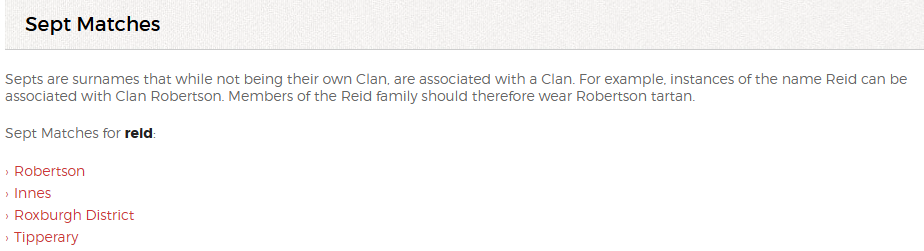
We can see 4 connections to 4 different clans, meaning we would recommend any of these tartans or you can also find your name in the septs library.
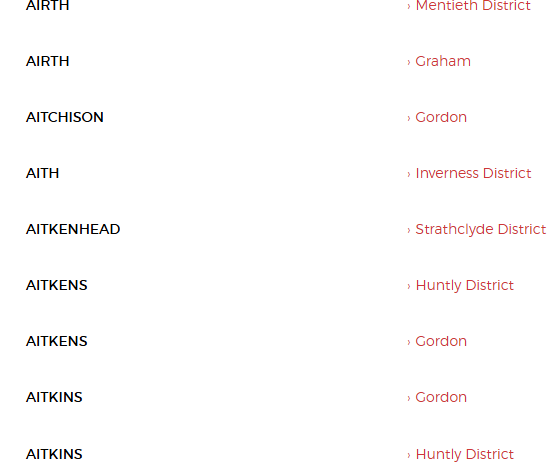
If you are part of a sept you can find it here, you can also filter the library by your surname initial. You can see Aitkens connects to 3 different clans and spelling also plays a part in navigating your clan.
What If I Don’t Have a Clan?
The matter of fact is regardless of your geographical background not every name has a clan. The world popular is massively larger than what it was centuries ago and many newer names weren’t around during clan culture. The beauty of tartan and scottish culture is its ability to be inclusive of everyone even with or without scottish background.
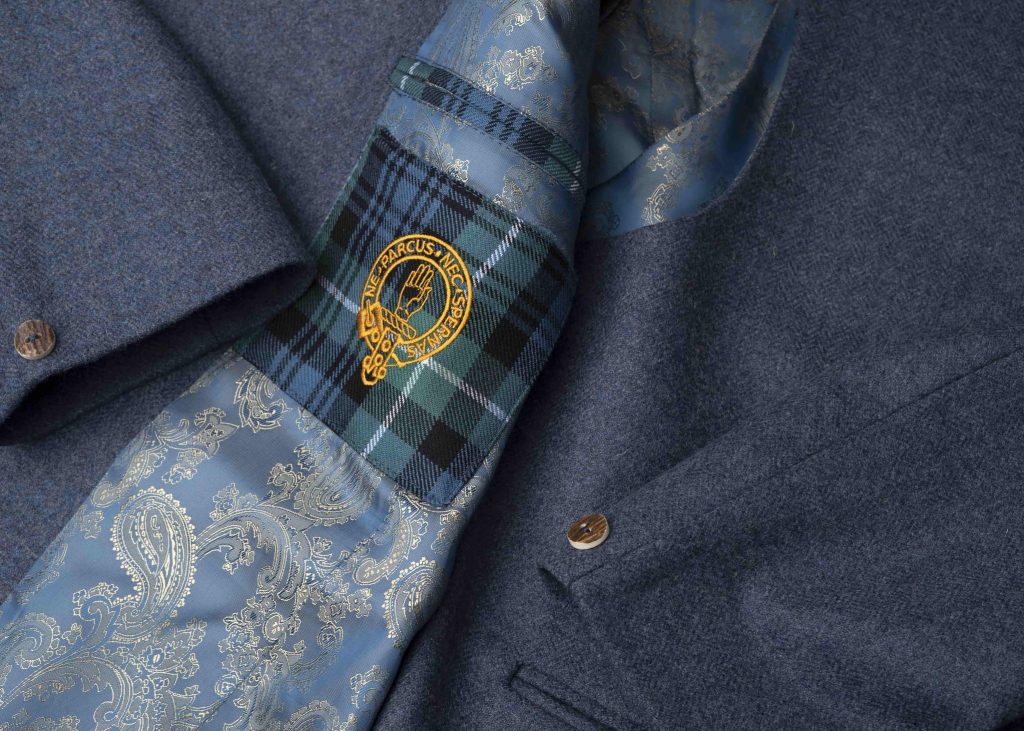
This means anyone of any age, gender, race & demographics can wear tartan, it is open to everyone. Even though tartans are affiliated with a clan that doesn’t mean it cant be worn by others. People often for a clan tartan either because of ancestry or simply because they like that tartan. The truth is there is thousands of tartan some with the minutest of differences so it truly is designed to be embraced by all. You can view our universal tartans here.
We stock the largest tartan range in Scotland for hire and buy. Alongside this we have an extensive range of clan crest accessories ideal for those finishing touches to a kilt outfit. They make perfect gifts for birthdays, Christmas & wedding gifts. You can browse our clan crest range here.
We hope this informational blog has been educational & interesting, you can find out more about highland wear & products on our website Kiltmakers.com & Search for your family name here.
For similar blogs you can read out history of the kilt blog here & where it began here & you can also browse all other topics here.
We would love to welcome you into our traditional highland wear store or you can also enquire to us at [email protected] or call us on 0141 889 4879.